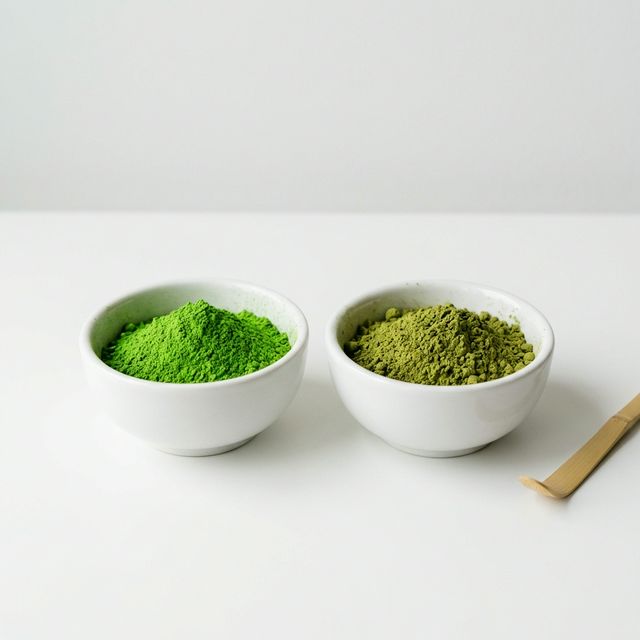
Authentic Japanese Matcha: Characteristics, Grades, and Selection Tips for Beginners
Japanese Matcha is powdered green tea derived from tencha with a distinctive umami flavor. This article helps you understand the characteristics of authentic Japanese matcha, the differences in grades (ceremonial vs culinary), and how to choose according to your needs. Highly suitable for beginners who want to start drinking matcha, lattes, or making desserts.
Japanese Matcha is increasingly popular in Indonesia, but not all "matcha" products are truly of high quality. Many are overly bitter, dull in color, or even mixed with sugar and artificial flavorings. Therefore, understanding authentic Japanese matcha is crucial so you don't purchase the wrong product and can enjoy its true taste.
What is Japanese matcha (and why is it different from regular green tea)
Japanese Matcha is finely powdered green tea made from tencha, which are tea leaves grown using the shading method (oishita). This technique aims to increase the L-theanine content that provides the umami flavor and naturally suppresses bitterness.
Unlike regular green tea (such as sencha), the matcha process does not involve rolling. The leaves are simply steamed, dried, and then ground into highly fine powder using traditional stone mills.
👉 The results:
- Color: bright green
- Taste: umami + slightly bitter
- Texture: smooth like powder
Understanding "grades": Ceremonial vs Culinary
In the world of Japanese matcha, you will often encounter two main terms:
Ceremonial Grade:
- Used for direct drinking (without milk)
- Bright green color
- Smooth taste, dominant umami
Culinary Grade:
- Used for cooking & mixed drinks
- Stronger taste and slightly more bitter
- More affordable
👉 Learn deeper at: https://www.matchajava.com/jenis-jenis-matcha
5 characteristics of authentic Japanese matcha that can be checked quickly
Here is the most practical way to recognize authentic Japanese matcha:
- Bright green color: High-quality matcha is not dull or yellowish.
- Fresh aroma: Gives off a “fresh grass” or vegetal aroma, not an artificial scent.
- Umami taste: Not sharply bitter, but has a creamy and smooth finish.
- Super fine texture: Feels like baby powder when touched.
- Easily dissolves: Easier to mix into a slurry without severe clumping.
Checklist for choosing Japanese matcha according to your needs
Choosing Japanese matcha doesn't have to be expensive—what matters is that it fits your purpose.
- For pure drinking: Choose ceremonial or premium. Focus on a very smooth taste.
- For lattes: Choose daily or premium. The taste must be strong enough to "cut through the milk".
- For desserts: Choose culinary. It is more economical & still flavorful.
👉 Learn latte techniques at: https://www.matchajava.com/matcha-latte
How to store matcha to keep it fresh
Japanese Matcha is very sensitive to:
- Air
- Light
- Heat
Tips:
- Store in an airtight container
- Avoid hot temperatures and direct sunlight
- Consume within 1–2 months after opening
Common beginner mistakes when buying matcha
Many people fail to fully enjoy Japanese matcha because of these common errors:
- Buying a premix (which contains sugar and milk, not pure matcha)
- Using water that is too hot
- Not sifting the powder before whisking
- Choosing the wrong grade for their use-case
👉 See the pricing guide to avoid being scammed: https://www.matchajava.com/harga-matcha
Summary: The quickest decision for beginners
If you are just starting with Japanese matcha:
- Buy 1 for lattes + 1 for pure drinking
- Use the correct preparation technique
- Test 2–3 simple recipes
After doing this, you will distinctly know your own preferences.
👉 Find places to buy or drink directly here: https://www.matchajava.com/matcha-terdekat
Conclusion: Understanding Japanese matcha is not just about choosing expensive products, but about recognizing the right quality that directly aligns with your needs. By understanding the characteristics, grades, and how to choose correctly, you can enjoy matcha with a more authentic and satisfying taste—both for daily drinks and desserts.